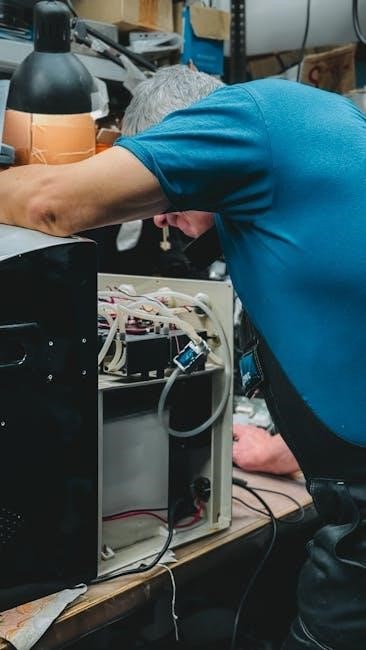



Invacare Oxygen Concentrator Owners Manual: A Comprehensive Guide
This manual provides essential guidance for Invacare oxygen concentrator users, covering setup, operation, maintenance, safety, and troubleshooting for optimal therapy.
Understanding Oxygen Concentrators
Oxygen concentrators are vital medical devices, offering a non-invasive method for delivering supplemental oxygen to individuals with respiratory conditions like COPD. Unlike traditional oxygen tanks requiring refills, these devices extract oxygen directly from ambient air, concentrating it for therapeutic use.
More than 1.5 million Americans rely on oxygen concentrators, appreciating the increased mobility and independence they provide compared to bulky oxygen canisters. The global market for medical oxygen concentrators is experiencing growth, projected to exceed USD 2.6 billion by 2025, driven by an aging population and rising prevalence of respiratory illnesses.
Understanding how these devices function is crucial for safe and effective oxygen therapy, empowering patients to manage their health proactively.
What is an Oxygen Concentrator?
An oxygen concentrator is a medical device that extracts oxygen from the air, providing a concentrated form of oxygen to patients needing supplemental therapy. It differs from oxygen tanks, which store compressed gas, by continuously drawing in air, filtering it, and isolating the oxygen component.
These devices are widely used for individuals with conditions causing deficient oxygen supply or inadequate blood oxygen levels. They offer a convenient alternative to cumbersome oxygen canisters, enhancing patient mobility and quality of life.
Concentrators deliver oxygen at varying concentrations, adjustable to meet individual medical needs, and are a cornerstone in managing chronic respiratory illnesses like COPD. They provide a substantial increase in oxygen concentration compared to room air.
How Does an Invacare Oxygen Concentrator Work?
Invacare oxygen concentrators utilize a process called Pressure Swing Adsorption (PSA) to separate oxygen from ambient air. Air is drawn into the unit and passes through filters to remove dust and impurities. Then, it enters a sieve bed containing zeolite minerals.
These minerals selectively adsorb nitrogen molecules, allowing oxygen to pass through. The concentrator cycles between multiple sieve beds, alternating between oxygen production and nitrogen purging. This continuous cycle delivers a consistent stream of concentrated oxygen.
The device then regulates the flow rate and delivers the oxygen to the patient via nasal cannula or mask. Modern Invacare models often include pulse dose technology, delivering oxygen only during inhalation, improving efficiency.

Setting Up Your Invacare Oxygen Concentrator
Proper setup ensures safe and effective operation. This involves unboxing, connecting power, setting up humidification, and attaching oxygen tubing correctly.
Unboxing and Initial Inspection
Upon receiving your Invacare oxygen concentrator, carefully inspect the packaging for any signs of damage during shipment. Gently open the box and verify that all components are present, referencing the included packing list. These typically include the concentrator unit itself, oxygen tubing, a humidifier bottle (if applicable), filters, a power cord, and this owner’s manual.
Thoroughly examine the concentrator for any visible defects, such as cracks or dents. Ensure the power cord is intact and the tubing is free from kinks or punctures. If any damage is detected, do not attempt to operate the unit and immediately contact your healthcare provider or the supplier. Retain all packaging materials for potential return or warranty claims. A careful initial inspection safeguards against potential issues.
Connecting to a Power Source
Before connecting your Invacare oxygen concentrator, ensure the power outlet meets the unit’s voltage requirements, typically standard household current. Use the provided power cord and plug it securely into both the concentrator and a grounded electrical outlet. Avoid using extension cords or power strips whenever possible, as they can limit power delivery and pose a safety risk.
Verify the outlet is functioning correctly by testing it with another device. Once connected, the concentrator’s power indicator light should illuminate. Never operate the unit with a damaged power cord. If the unit fails to power on, double-check the connections and the outlet. Contact a qualified electrician if issues persist. Proper electrical connection is crucial for safe and reliable operation.
Humidification System Setup
If your Invacare oxygen concentrator requires humidification, carefully follow these steps. Begin by filling the humidifier bottle with distilled water only – tap water contains minerals that can damage the unit. Attach the humidifier bottle securely to the designated port on the concentrator, ensuring a tight seal to prevent leaks.
Connect the humidifier outlet to the oxygen tubing using the appropriate adapter. Regularly inspect the humidifier bottle for cracks or damage and replace it as needed. Always use distilled water to maintain optimal performance and prevent mineral buildup. Proper humidification prevents dryness and enhances comfort during oxygen therapy.
Oxygen Tubing Connection
Proper oxygen tubing connection is crucial for effective therapy. Begin by ensuring the concentrator is powered off. Locate the oxygen outlet port on the unit and firmly connect one end of the approved oxygen tubing. Ensure a secure fit to prevent oxygen leakage, which reduces therapy effectiveness.
Connect the other end of the tubing to your prescribed delivery device – nasal cannula or mask – again ensuring a snug connection. Regularly inspect the tubing for cracks, kinks, or damage, replacing it immediately if found. Never use damaged tubing. Maintain a clear pathway for oxygen flow, avoiding obstructions.
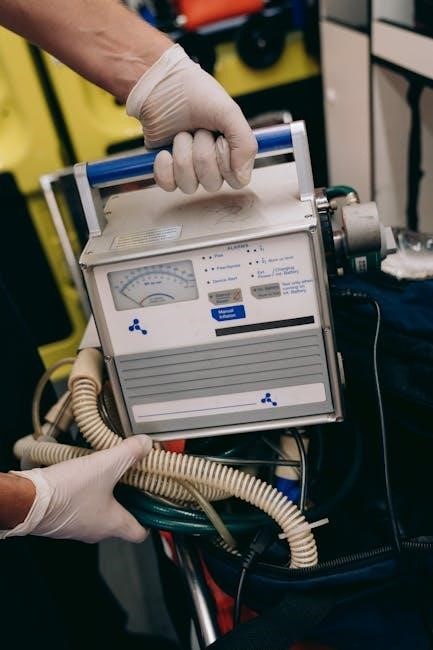
Operating Your Invacare Oxygen Concentrator
Successfully operating your Invacare concentrator involves powering on/off, adjusting flow rates, understanding the control panel, and utilizing remote controls if available.
Powering On and Off
To power on your Invacare oxygen concentrator, locate the power switch, typically found on the front or side panel. Ensure the unit is properly connected to a functioning power outlet. Press the power button; a light indicator will illuminate, confirming operation. Allow a brief warm-up period, as indicated in your specific model’s instructions, before initiating oxygen flow.
When powering off, simply press the power button again. The indicator light should extinguish. Disconnect the unit from the power source if it will not be used for an extended period. Avoid abruptly disconnecting power during operation, as this could potentially affect the concentrator’s performance. Always follow the manufacturer’s recommended procedures for safe and efficient operation. Regular checks of the power cord for damage are also crucial.
Flow Rate Adjustment
Adjusting the oxygen flow rate on your Invacare concentrator is crucial for meeting your prescribed oxygen needs. Typically, a flow rate control knob or digital interface allows for precise adjustments, measured in liters per minute (LPM). Always consult your physician to determine the appropriate flow rate for your condition.
To increase the flow, turn the knob clockwise or use the ‘+’ button on a digital model. Conversely, turn counterclockwise or use the ‘-’ button to decrease flow. Monitor the flow meter – a clear tube with a calibrated ball – to verify the selected LPM. Avoid exceeding your prescribed flow rate. Gradual adjustments are recommended, allowing your body to adapt.
Understanding Control Panel Indicators
The Invacare oxygen concentrator’s control panel features indicators providing vital operational status. A power indicator illuminates when the unit is on. Pay close attention to alarm indicators – typically red – signaling issues like low oxygen concentration, high/low pressure, or system malfunction.
A flow rate indicator displays the currently selected LPM. Some models include a timer displaying the total operating hours, useful for maintenance scheduling. Error codes, displayed numerically or alphanumerically, pinpoint specific problems requiring attention. Refer to the troubleshooting section of this manual for code definitions. Regularly check these indicators to ensure proper function and address any alerts promptly.
Remote Control Operation (if applicable)
If your Invacare oxygen concentrator model includes a remote control, it offers convenient operation from a distance. Typically, the remote mirrors the functions of the main control panel – power on/off, flow rate adjustment, and potentially access to pulse dose settings.
Ensure the remote has fresh batteries for reliable performance. Point the remote directly at the concentrator’s receiver. Be mindful of the remote’s range; operation may be limited by distance or obstructions. Some remotes feature a lockout function to prevent accidental adjustments. Always prioritize safety and confirm settings on the concentrator’s display before relying solely on the remote.

Maintenance and Cleaning
Regular maintenance ensures optimal performance and longevity of your Invacare concentrator; cleaning involves filters, the cabinet, and humidifier components.
Filter Replacement Schedule
Maintaining clean filters is crucial for delivering pure, effective oxygen therapy. Invacare oxygen concentrators utilize both an internal and external filter, each with a specific replacement schedule. The external filter, designed to capture larger dust particles, should be inspected monthly and replaced every three months, or more frequently in dusty environments.
The internal filter, responsible for finer particle removal, typically requires replacement every six months. Always refer to your specific model’s manual for precise intervals. Using genuine Invacare replacement filters guarantees optimal performance and prevents damage to the unit. Neglecting filter replacement can lead to reduced oxygen output, increased energy consumption, and potential compressor failure. Keep a record of filter changes to ensure timely replacements.
Cleaning the Cabinet and Exterior
Regular cleaning maintains hygiene and extends the life of your Invacare oxygen concentrator. Before cleaning, always disconnect the unit from the power source to prevent electrical shock. Use a soft, damp cloth with mild detergent to wipe down the cabinet and exterior surfaces. Avoid abrasive cleaners, solvents, or harsh chemicals, as these can damage the finish.
Do not immerse the concentrator in water or allow liquids to enter the unit. Pay particular attention to areas prone to dust accumulation, such as vents and control panels. Ensure the cabinet is completely dry before reconnecting to power. A clean exterior contributes to a safe and efficient operating environment, promoting longevity and optimal performance of your oxygen concentrator.
Humidifier Bottle Cleaning
Maintaining a clean humidifier bottle is crucial to prevent bacterial growth and ensure effective humidification. Disconnect the bottle daily and empty any remaining water. Wash the bottle with warm, soapy water, using a soft brush to remove any residue. Rinse thoroughly with clean water, ensuring no soap remains.
Disinfect the bottle regularly – at least weekly – using a solution of white vinegar and water (1 part vinegar to 5 parts water) or a commercially available disinfectant suitable for medical equipment. Rinse thoroughly after disinfecting. Allow the bottle to air dry completely before reassembling. Never use boiling water or a dishwasher, as these can damage the plastic.
Troubleshooting Common Issues
If your Invacare concentrator isn’t powering on, check the power cord and outlet. Ensure the unit isn’t displaying an error code – consult the error code section of this manual. Low oxygen output could indicate a clogged filter; replace it promptly. Unusual noises may signal a compressor issue, requiring service.
For error messages, refer to the dedicated section for specific troubleshooting steps. If the unit frequently shuts down, check for adequate ventilation and ensure the humidifier bottle is correctly installed. If problems persist, do not attempt self-repair; contact a qualified technician or Invacare customer support for assistance.
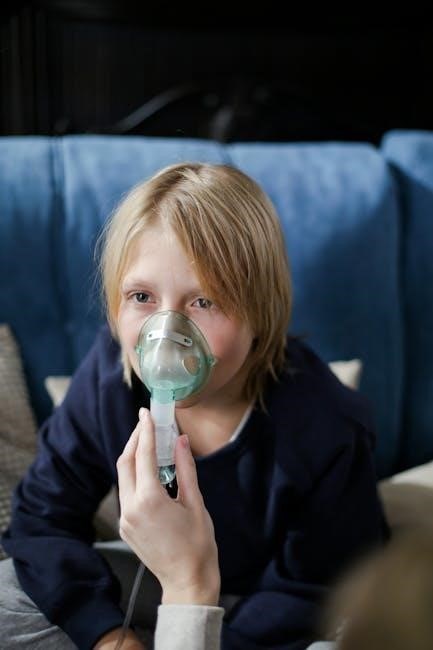
Safety Precautions
Always follow oxygen safety guidelines, avoid electrical hazards, and prevent fire risks when using your Invacare concentrator; store and transport it properly.
Oxygen Safety Guidelines
Oxygen supports combustion, meaning fire spreads rapidly in an oxygen-rich environment. Never use your Invacare oxygen concentrator near open flames, heat sources, or while smoking. Ensure good ventilation in the room where the concentrator is operating.
Avoid oil-based products like lotions, creams, or petroleum jelly near the oxygen flow, as they are flammable. Do not operate the concentrator if you detect a malfunction or unusual noise. Regularly inspect the oxygen tubing for cracks or damage, replacing it as needed.
Keep the concentrator clean and free from dust and debris. Always follow the prescribed flow rate recommended by your healthcare professional. Never attempt to self-repair the unit; contact qualified service personnel for maintenance.
Electrical Safety
To prevent electrical shock, always ensure your Invacare oxygen concentrator is properly grounded. Use only the provided power cord and plug it directly into a standard electrical outlet. Avoid using extension cords or adapters, as they may not be rated for the concentrator’s power requirements.
Inspect the power cord regularly for damage, such as fraying or exposed wires. If damage is detected, discontinue use and contact a qualified technician for replacement. Never operate the concentrator in damp or wet environments, including bathrooms or near water sources.
Before cleaning or performing any maintenance, always unplug the unit from the power outlet. Do not attempt to disassemble or repair the electrical components yourself. Follow all local electrical codes and regulations.
Avoiding Fire Hazards
Oxygen supports combustion, making fire safety paramount when using an Invacare oxygen concentrator. Never smoke or allow open flames in the vicinity of the concentrator or oxygen tubing. Keep the area around the unit free from flammable materials like curtains, furniture, and clothing.
Avoid using oil-based products, such as lotions or petroleum jelly, near the oxygen flow, as these can ignite. Ensure the concentrator is placed on a stable, non-flammable surface with adequate ventilation. Regularly inspect the oxygen tubing for cracks or leaks, and replace it if damaged.
Do not operate the concentrator if you smell gas or suspect a leak. Immediately turn off the unit and ventilate the area. Be aware of static electricity, especially in dry environments, and take precautions to minimize its build-up.
Proper Storage and Transportation
When storing your Invacare oxygen concentrator, choose a clean, dry, and well-ventilated location, free from dust and extreme temperatures. Protect the unit from direct sunlight and moisture. If transporting the concentrator, ensure it is securely fastened to prevent shifting or damage during transit.
Always disconnect the power cord and oxygen tubing before moving the device. Avoid dropping or subjecting the concentrator to rough handling. When traveling by air, consult with your healthcare provider and the airline regarding specific regulations for oxygen concentrator use and battery transport.
Keep the original packaging for safe storage and transportation. Regularly inspect the unit for any signs of damage after transport.
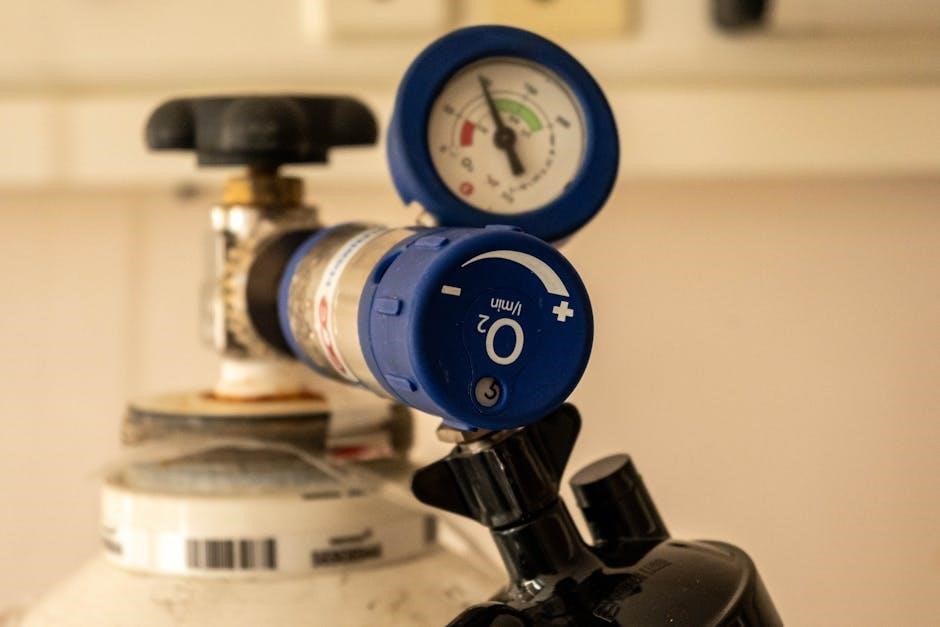
Advanced Features & Troubleshooting
Explore error code interpretations, pulse dose settings, high-altitude adjustments, and a long-term maintenance schedule for peak performance and issue resolution.
Understanding Error Codes
Invacare oxygen concentrators utilize error codes to signal potential issues, aiding in swift troubleshooting. These codes, displayed on the control panel, indicate specific malfunctions requiring attention. For instance, a code might signify low oxygen concentration, high temperature, or a compressor fault.
Refer to the detailed error code list within this manual to accurately diagnose the problem. Do not attempt repairs yourself; instead, contact a qualified technician. Ignoring error codes can compromise oxygen delivery and device functionality. Regularly checking the display for codes is a proactive maintenance step.
Common codes relate to filter status, power supply irregularities, or sensor malfunctions. Understanding these alerts ensures safe and effective operation of your concentrator, maintaining consistent oxygen therapy.
Using the Pulse Dose Setting
The pulse dose setting on your Invacare concentrator delivers oxygen only when you inhale, conserving oxygen and reducing dryness. This mode is ideal for patients who require oxygen intermittently, such as during exertion or sleep. Adjusting the pulse dose sensitivity controls how strongly you must inhale to trigger oxygen delivery.
To activate pulse dose, navigate the control panel and select the appropriate setting. Begin with a lower sensitivity and gradually increase it until comfortable and effective oxygen delivery is achieved. Monitor your oxygen saturation levels while adjusting.
Ensure the setting aligns with your physician’s prescription. Improper adjustment can lead to insufficient oxygenation. Regular assessment by your healthcare provider is crucial for optimal pulse dose configuration.
High Altitude Considerations
Using an Invacare oxygen concentrator at high altitudes requires careful consideration due to reduced atmospheric pressure. Lower air pressure means the concentrator extracts less oxygen from the air, potentially delivering insufficient oxygen levels to the patient.
At altitudes above 6,000 feet, increased flow rates may be necessary to maintain adequate oxygen saturation. Consult your physician to determine the appropriate flow rate adjustment for your specific altitude and medical condition.
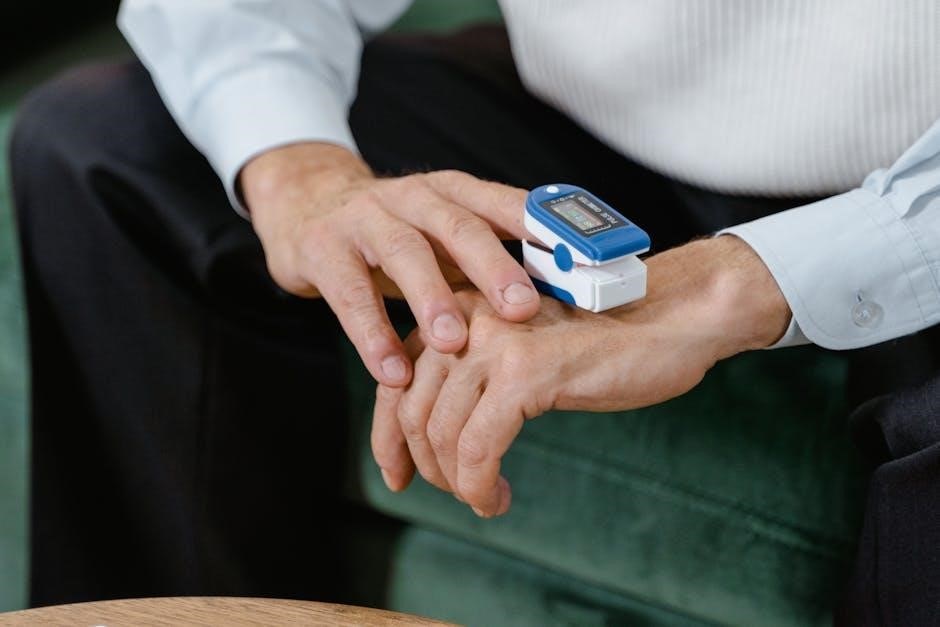
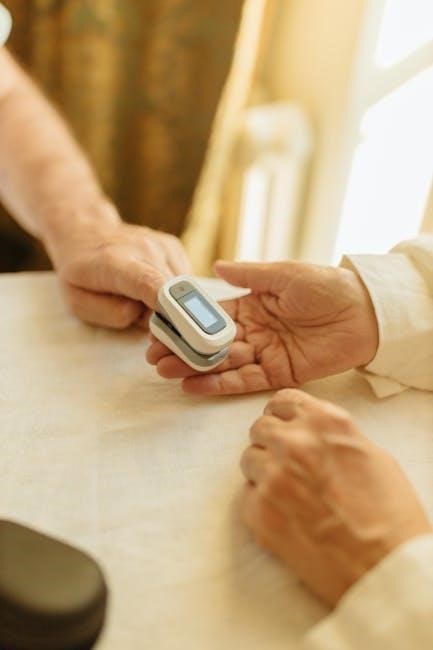
Regularly monitor your pulse oximetry readings to ensure sufficient oxygenation. Be aware of symptoms like shortness of breath or dizziness, which may indicate inadequate oxygen delivery. Avoid strenuous activity and stay hydrated.
Long-Term Maintenance Schedule
Maintaining your Invacare oxygen concentrator long-term ensures optimal performance and longevity. Every 6 months, inspect the power cord for damage and replace filters as needed – typically every 6-12 months, depending on environmental factors.
Annually, have a qualified technician perform a comprehensive inspection, including checking compressor function, sieve bed integrity, and overall system calibration. Regularly clean the cabinet exterior with a damp cloth.
Every two years, consider replacing the humidifier bottle (if applicable) to prevent bacterial growth. Keep detailed records of all maintenance performed. Following this schedule will help prevent unexpected issues and extend the life of your concentrator.

Market Trends & Oxygen Concentrator Technology
The global medical oxygen concentrator market is expanding, driven by COPD prevalence and technological advancements, offering more portable and efficient devices.
Global Medical Oxygen Concentrator Market Overview
The global medical oxygen concentrator market demonstrates significant growth, projected to exceed USD 2.6 billion by 2025, according to Global Market Insights. This expansion is fueled by a rising prevalence of respiratory diseases like COPD, alongside an aging global population increasingly requiring supplemental oxygen therapy.
Reports from ResearchAndMarkets.com indicate consistent market analysis, with overviews published as recently as 2023 and forecasts extending to 2026. Key drivers include the shift from bulky oxygen tanks to more convenient concentrators, enhancing patient mobility and independence.
Furthermore, advancements in concentrator technology, focusing on portability and efficiency, are attracting substantial investment and innovation within the sector. The market is becoming increasingly competitive, with manufacturers striving to deliver superior performance and user experience.
Advancements in Oxygen Concentrator Technology
Recent innovations in oxygen concentrator technology prioritize portability, efficiency, and user-friendliness. Manufacturers are focusing on reducing device size and weight, enabling greater patient mobility, moving away from reliance on cumbersome oxygen tanks.
Pulse dose technology, allowing oxygen delivery only during inhalation, optimizes oxygen usage and reduces waste. Improved sieve bed materials enhance oxygen purity and concentrator lifespan. Remote monitoring capabilities, facilitated by connected devices, allow healthcare providers to track patient therapy adherence and device performance.
Furthermore, advancements in compressor technology contribute to quieter operation and reduced energy consumption. These developments collectively aim to improve the quality of life for individuals requiring supplemental oxygen therapy, aligning with the growing demand for home healthcare solutions.
Oxygen Concentrator Market Outlook (2026)
The global medical oxygen concentrator market is projected for substantial growth, reaching over USD 2.6 billion by 2025, with continued expansion anticipated through 2026. This surge is driven by the increasing prevalence of respiratory diseases like COPD and the aging global population.

Rising healthcare expenditure, particularly in emerging economies, fuels market demand. The shift towards home healthcare and the preference for non-invasive oxygen therapy further contribute to growth. Key market players, including Invacare, are focusing on product innovation and strategic partnerships.
North America currently dominates the market, but Asia Pacific is expected to exhibit the highest growth rate due to its large population and improving healthcare infrastructure. The market outlook remains positive, driven by technological advancements and unmet clinical needs.
The Role of Oxygen Concentrators in COPD Treatment
Oxygen concentrators are vital in managing Chronic Obstructive Pulmonary Disease (COPD), offering a lifeline to over 1.5 million Americans. They provide supplemental oxygen, alleviating breathlessness and improving quality of life for COPD patients, unlike bulky oxygen tanks.
Long-term oxygen therapy (LTOT), delivered via concentrators like those from Invacare, extends survival rates in severe COPD cases. Concentrators enable greater mobility and independence, freeing patients from the limitations of traditional oxygen delivery systems.
By increasing blood oxygen levels, concentrators reduce strain on the heart and other organs. They are a cornerstone of COPD treatment, alongside medication and pulmonary rehabilitation, enhancing patient well-being and functional capacity.
Leave a Reply
You must be logged in to post a comment.