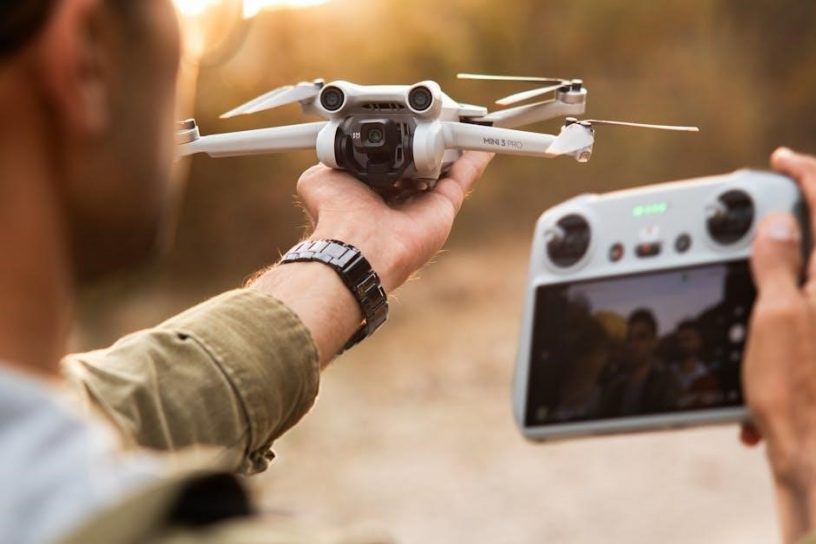

X-31 Shockwave Drone Manual: A Comprehensive Guide
Welcome! This manual provides detailed instructions for the Sky Rider X-31 Shockwave drone, covering setup, flight, maintenance, and safety. Enjoy capturing aerial footage with its 0.3MP WiFi camera!
The X-31 Shockwave drone, manufactured by Sky Rider, represents an accessible entry point into the world of aerial photography and videography. Designed for both beginners and hobbyists, this quadcopter offers a compelling blend of affordability, ease of use, and essential features. It’s marketed as providing excellent value, particularly for those seeking a camera drone without a substantial financial investment.
This drone is equipped with a 0.3MP WiFi camera capable of capturing photos and videos at a resolution of 480×640. While not professional-grade, this is sufficient for recreational use and sharing content online. The integrated WiFi connectivity allows for real-time First-Person View (FPV) streaming to a compatible mobile device via a dedicated app, enabling pilots to see what the drone sees during flight.
The X-31 Shockwave boasts a control range of approximately 328 feet (100 meters), providing ample space for maneuvering. Its lightweight design contributes to its agility and portability. Understanding this manual is crucial for safe and responsible operation, adhering to FAA regulations for model aircraft and maximizing your flying experience.
Drone Specifications

Here’s a detailed overview of the X-31 Shockwave’s technical specifications. Model Name: X 31. Age Range: Adult. Connectivity Technology: Wi-Fi. Item Weight: 9.07 Grams. Wireless Communication Technology: Wi-Fi. The drone features a 0.3MP WiFi camera, delivering a resolution of 480×640 for image and video capture.
Operating Time: Expect approximately 6-8 minutes of flight time per fully charged battery. This is typical for drones in this price range and emphasizes the need for responsible flight management. Control Range: The maximum control distance is 328 feet (100 meters), utilizing a 2.4GHz Wi-Fi connection.
Gyroscope: Equipped with a 6-axis gyroscope for enhanced stability and control. Camera Features: Allows for both photo and video recording via the companion mobile app. Dimensions: Specific dimensions are not readily available, but the drone is designed to be lightweight and portable. This drone is intended for hobby and recreational use, adhering to FAA guidelines.
Unboxing and Component Overview
Congratulations on receiving your X-31 Shockwave drone! Carefully open the package and verify all components are present. You should find the drone itself, a remote controller, and at least one battery. The package also includes spare propellers – essential for maintaining flight readiness after potential impacts.
Inspect each component for any visible damage sustained during shipping. The remote controller will likely require batteries (not always included – check the package contents list). Familiarize yourself with the controller’s layout; we’ll cover its features in detail later. The drone’s camera is pre-installed, but ensure it’s securely mounted.
Take a moment to identify the key parts of the drone: propellers, motors, landing gear, battery compartment, and camera. A quick visual inspection will help you understand the drone’s anatomy before proceeding. Retain the original packaging for potential warranty claims or future transport. This initial overview sets the stage for a successful flight experience.
Package Contents
Your X-31 Shockwave drone package should include the following items. Please verify all components are present before proceeding. 1x X-31 Shockwave Drone – the quadcopter itself, ready for flight. 1x Remote Controller – used to control the drone’s movements and camera functions. 1x Rechargeable Battery – provides power for approximately 6-8 minutes of flight time per charge.
4x Spare Propellers – crucial replacements for damaged propellers, ensuring continued operation. 1x USB Charging Cable – used to recharge the drone’s battery via a USB port. 1x Instruction Manual – this document, providing comprehensive guidance on setup, flight, and maintenance.
1x Screwdriver – a small screwdriver for propeller replacement and minor adjustments. Some packages may include a camera card reader, though this is not standard. If any items are missing or damaged, contact customer support immediately. Retain all packaging materials for potential returns or warranty claims. Careful inventory ensures a smooth unboxing experience.
Drone Anatomy: Identifying Key Parts
Let’s familiarize ourselves with the X-31 Shockwave’s components. The Propellers (four in total) generate lift and control movement; ensure they are securely attached. The Motors, located beneath each propeller, power the rotation. The Drone Frame provides structural support and houses internal components.
The Battery Compartment, typically located on the underside, holds the rechargeable battery. The Camera, a 0.3MP WiFi camera, captures aerial photos and videos. Landing Gear provides stable ground contact during takeoff and landing. The Power Button initiates and terminates drone operation.
Observe the LED Indicators, which communicate drone status (battery level, connection). The Receiver within the drone receives signals from the remote controller. Understanding these key parts is vital for safe operation and effective maintenance. Regularly inspect each component for damage before each flight. Proper identification aids in troubleshooting and repair.
Remote Controller Features
The X-31 Shockwave’s remote controller is your command center. The Power Button activates the controller, establishing communication with the drone. Control Sticks (left and right) manage altitude and directional movement – forward, backward, left, and right. The Trim Buttons fine-tune flight stability, correcting for drift.
The Photo/Video Button initiates image and video capture via the integrated 0.3MP WiFi camera. The Speed Mode Switch allows selection between beginner and experienced flight modes. Wi-Fi Connection Indicator displays the status of the connection to your mobile device.
Battery Level Indicators on the controller show remaining transmitter power. The controller utilizes a 6-axis gyroscope for precise control. Familiarize yourself with each function before flight. Ensure batteries are fully charged for optimal performance. Proper understanding of these features is crucial for a safe and enjoyable flying experience;
Battery Information and Charging
The X-31 Shockwave utilizes a specific Lithium-Polymer (Li-Po) battery designed for optimal performance. Battery Type: 3.7V Li-Po. Battery Specifications: Capacity is crucial; ensure compatibility with the drone. Expect approximately 6-8 minutes of flight time per fully charged battery. Multiple batteries are recommended for extended flying sessions.
Charging Procedures: Only use the provided USB charging cable. Connect the battery to a 5V/1A USB port. Charging Time is approximately 60-90 minutes. Safety Precautions are paramount: Never leave the battery unattended during charging. Do not overcharge. Disconnect immediately if the battery becomes hot or swollen.
Avoid exposing the battery to extreme temperatures. Store batteries in a fireproof location. Proper battery maintenance significantly extends its lifespan and ensures safe operation. Always inspect the battery for damage before each flight. Incorrect charging can lead to malfunction or fire.
Battery Types and Specifications
The Sky Rider X-31 Shockwave drone operates on a dedicated 3.7V Lithium Polymer (Li-Po) battery. This battery type is chosen for its high energy density and lightweight characteristics, crucial for maximizing flight time. Battery Model: Specific model numbers may vary, refer to packaging.
Capacity: The battery capacity directly impacts flight duration, typically ranging around a specified mAh (milliampere-hour) rating. Expect approximately 6-8 minutes of flight time per full charge. Voltage: Maintaining the correct 3.7V is vital for safe and efficient drone operation. Using incorrect voltage can damage the drone’s internal components.
Dimensions: The battery is designed to fit securely within the drone’s battery compartment. Weight: Lightweight design contributes to the drone’s overall maneuverability. Always use the specified battery type; aftermarket batteries may not be compatible or safe. Proper storage and handling are essential for longevity and performance.
Charging Procedures and Safety
Charging the X-31 Shockwave’s Li-Po battery requires the included USB charging cable. Connect the cable to a standard USB power source (5V/1A recommended). The charging indicator light on the cable will illuminate, typically red during charging and turning off or changing color (often green) when fully charged.

Charging Time: A full charge typically takes between 60-90 minutes. Never leave the battery unattended while charging. Always charge on a heat-resistant, non-flammable surface. Avoid charging near flammable materials. Do not overcharge the battery; disconnect it once charging is complete.
Safety Precautions: Inspect the battery for any signs of damage (swelling, leakage) before each charge. If damage is detected, discontinue use immediately and dispose of the battery responsibly. Never disassemble or modify the battery. Store batteries in a cool, dry place away from direct sunlight and extreme temperatures. Improper handling can pose a fire hazard.
Pre-Flight Checklist
Before each flight with your X-31 Shockwave, a thorough pre-flight check is crucial for safe and enjoyable operation. First, fully charge the drone’s battery and ensure the remote controller has sufficient power; Inspect all propellers for cracks, chips, or damage – replace if necessary.
Next, verify that the battery is securely attached to the drone. Confirm the camera is properly mounted and functioning within the mobile app. Check the surrounding environment for obstacles like trees, buildings, or power lines. Ensure you have a clear line of sight to the drone throughout the flight.
Finally, calibrate the drone’s compass according to the instructions in the mobile app. Confirm Wi-Fi connectivity between the drone and your mobile device. Review FAA regulations and local ordinances regarding drone operation. A quick, methodical checklist minimizes risks and maximizes flight performance.
Drone Setup and Activation
Initial setup of your X-31 Shockwave drone involves a few simple steps. Begin by fully charging the drone’s battery using the provided USB charger – allow approximately 60-90 minutes for a full charge. While charging, download and install the compatible mobile app on your smartphone or tablet.
Once charged, power on the drone and the remote controller. The drone will automatically enter pairing mode. Open the mobile app and follow the on-screen prompts to connect to the drone’s Wi-Fi network. Ensure your mobile device’s Wi-Fi is enabled and select the drone’s network from the available list.
Activation typically requires creating an account within the app and registering your drone. This process may involve agreeing to terms of service and providing basic contact information. After successful registration, the drone is ready for its first flight. Always perform a compass calibration before each flight for optimal performance.
Connecting to the Mobile App
Establishing a connection between your X-31 Shockwave drone and the mobile app is crucial for controlling the drone and accessing its features. First, ensure your smartphone or tablet’s Wi-Fi is enabled. Power on the drone; it will broadcast its own Wi-Fi signal.
Open the downloaded app and navigate to the ‘Connect’ or ‘Device’ section. The app will scan for available drones. Select your X-31 Shockwave from the list – it will likely appear with a unique identifier. You’ll be prompted to enter the default Wi-Fi password (refer to the quick start guide if needed).
Once connected, the app’s interface will display a live video feed from the drone’s camera. This confirms a successful connection. The app allows for first-person viewing, photo and video capture, and access to drone settings. A stable connection is vital for safe and reliable operation, ensuring a range of up to 328 feet (100 meters).

Wi-Fi Connectivity and Range (328 feet / 100 meters)
The X-31 Shockwave utilizes Wi-Fi connectivity for communication between the drone and your mobile device. This allows for real-time video transmission, remote control, and data transfer. The drone creates its own Wi-Fi network, to which your smartphone or tablet connects directly – no external internet access is required for basic operation.
Understanding the range is critical for safe flying. The X-31 Shockwave boasts a maximum control and video transmission range of approximately 328 feet (100 meters) under optimal conditions. However, this range can be significantly affected by environmental factors.
Obstructions like buildings, trees, and even people can interfere with the Wi-Fi signal, reducing the effective range. Interference from other wireless devices can also play a role. Always maintain a clear line of sight and be aware of your surroundings to maximize range and prevent signal loss. Regularly check the app’s signal strength indicator.
Flight Controls and Operation
Mastering the controls of your X-31 Shockwave is essential for a safe and enjoyable flying experience. The remote controller features intuitive dual control sticks. The left stick manages throttle (altitude) and rotation, while the right stick controls forward/backward movement and left/right strafing.
Takeoff is initiated by simultaneously pushing both control sticks down and inwards, or using the auto-takeoff function within the mobile app. Gentle stick movements are key; avoid abrupt inputs, especially for beginners. Practice in an open area, free from obstacles.
Landing can be achieved manually by slowly descending using the throttle stick, or automatically via the app. Always land on a flat, even surface. Be mindful of wind conditions, which can affect the drone’s stability during both takeoff and landing. Familiarize yourself with the app’s return-to-home function as a safety precaution.
Basic Flight Maneuvers
Begin with gentle ascents and descents using the throttle stick. Practice hovering – maintaining a stable altitude – as this is fundamental to all other maneuvers. Small corrections with the control sticks will keep the X-31 Shockwave steady.
Forward and backward flight is controlled with the right stick. Start with slow, controlled movements, gradually increasing speed as you gain confidence. Similarly, use the left stick for smooth left and right strafing. Avoid sharp turns at high speeds, as this can compromise stability.
Rotation is achieved using the left stick. Practice rotating the drone in both clockwise and counter-clockwise directions. Combine these basic movements to create simple flight paths. Remember to maintain visual contact with the drone at all times, and be aware of your surroundings. Consistent practice builds proficiency!

Camera Functionality and Settings
The X-31 Shockwave features a built-in 0.3MP WiFi camera, capable of capturing both photos and videos directly to your mobile device via the companion app. Access camera controls through the app interface, allowing for real-time viewing and adjustments.
Photo Capture: Tap the photo icon within the app to instantly snap a picture. Image resolution is fixed at 480×640. Ensure sufficient lighting for optimal image quality. Experiment with different angles and compositions during flight.
Video Recording: Initiate video recording by pressing the video icon. Recording will continue until stopped manually. The app displays a timer indicating the recording duration. Be mindful of storage space on your device.
Settings: While limited, the app may offer basic settings like date/time stamping on photos and videos. Regularly check for app updates to benefit from potential feature enhancements and bug fixes.
Camera Resolution (480×640 / 0.3MP)
The X-31 Shockwave drone is equipped with a camera boasting a resolution of 480×640 pixels, equating to approximately 0.3 megapixels. It’s crucial to understand this resolution impacts the clarity and detail of captured photos and videos. While sufficient for casual aerial snapshots and basic video recording, it doesn’t match the quality of higher-resolution drone cameras.

Image Quality Expectations: Expect images suitable for sharing online or viewing on smaller screens. Enlarging photos significantly will reveal pixelation due to the lower pixel count. Video quality will be comparable, offering a basic aerial perspective.
Factors Affecting Quality: Lighting conditions play a significant role. Bright, sunny days will yield better results than low-light environments. Stable flight is also essential to minimize blur. The camera’s fixed focus means close-range objects may appear less sharp.
Optimizing Results: Focus on capturing wide-angle shots and utilizing good lighting to maximize the visual appeal of your aerial content.
Photo and Video Capture
The X-31 Shockwave allows for both photo and video capture directly to your mobile device via the Wi-Fi connection and dedicated app. To initiate photo capture, simply tap the photo icon within the app interface during flight. The captured image will be saved to your phone’s gallery.
Video Recording: To begin recording video, press the video recording icon in the app. A timer will display the recording duration. Tap the icon again to stop recording, and the video file will be saved. Remember the camera’s 0.3MP resolution impacts video quality.
App Control: The mobile app provides basic control over capture settings, such as starting and stopping recordings. Explore the app’s interface to familiarize yourself with its features. Ensure sufficient storage space on your device before lengthy recording sessions.
File Transfer: After flight, easily transfer photos and videos from your mobile device to a computer for editing or sharing. Regularly check your device’s storage to avoid interruptions during flight.
Maintenance and Troubleshooting
Regular maintenance is crucial for optimal X-31 Shockwave performance. After each flight, inspect the propellers for cracks or damage. Propeller Replacement is straightforward; gently remove the damaged propeller and securely attach a new one, ensuring correct orientation. Check the battery compartment for debris.
Common Issues: If the drone fails to connect to the app, ensure Wi-Fi is enabled on your phone and the drone is powered on. For flight instability, calibrate the drone following the setup instructions. If the camera isn’t recording, verify sufficient storage on your mobile device.
Troubleshooting Tips: A slow charging battery may indicate a faulty charger or battery. Avoid flying in strong winds or near obstacles. If the drone exhibits erratic behavior, immediately land it and investigate the cause. Always prioritize safety!
Cleaning: Gently wipe the drone’s exterior with a soft, dry cloth. Do not use liquids or abrasive cleaners. Store the drone in a safe, dry location when not in use.

Propeller Replacement
Replacing propellers on your X-31 Shockwave drone is a simple maintenance task, essential for continued safe and effective flight. Damaged propellers significantly impact flight stability and can lead to crashes. Always inspect propellers before and after each flight for cracks, bends, or chips.
Procedure: First, power off the drone and disconnect the battery. Locate the propeller screws on the motor mounts. Using a small screwdriver (typically included with the drone), carefully loosen the screws securing the damaged propeller. Remove the old propeller.
Important Note: Propellers are often marked (A & B) or colored to indicate their correct position. Ensure you install the replacement propeller in the same location and orientation as the one removed. Tighten the screws firmly, but avoid over-tightening, which could damage the motor mount.
Safety First: Always replace propellers in pairs, even if only one appears damaged, to maintain balanced flight characteristics. Incorrectly installed propellers can cause instability and potential hazards.
Common Issues and Solutions
Encountering minor issues is common with drone operation. Here are some troubleshooting tips for your X-31 Shockwave. Drone won’t connect to the app: Ensure Wi-Fi is enabled on your mobile device and that you’re selecting the drone’s network. Restart both the drone and your phone.
Short flight time: Battery may not be fully charged, or the battery could be nearing the end of its lifespan. Check battery charge level and consider a replacement if necessary. Wind conditions also significantly impact flight duration.
Unstable flight: Check propellers for damage and ensure they are correctly installed. Calibrate the drone’s gyroscope following the instructions in the ‘Drone Setup’ section. Avoid flying in strong winds.
No video feed: Verify the camera is powered on and properly connected. Ensure sufficient lighting conditions for optimal video quality. Restart the drone and app. If problems persist, consult the manufacturer’s support resources.
Safety Guidelines and Regulations
Prioritize safety! Always operate the X-31 Shockwave responsibly and within legal guidelines. The Thunderbird 2 (similar Wi-Fi drone) is designed for hobby use, adhering to FAA regulations. Familiarize yourself with these rules before flying.
FAA Regulations: Register your drone with the FAA if it weighs over 250 grams. Avoid flying near airports, restricted airspace, and large gatherings. Maintain visual line of sight with your drone at all times. Do not fly under the influence of drugs or alcohol.
Responsible Operation: Respect the privacy of others. Do not fly over private property without permission. Be mindful of noise levels and avoid disturbing wildlife. Regularly inspect your drone for damage before each flight.
Weather Conditions: Avoid flying in inclement weather, including rain, snow, and strong winds. These conditions can significantly impact drone control and safety. Always prioritize a safe flying environment.
FAA Regulations for Model Aircraft
Understanding the Rules: The Federal Aviation Administration (FAA) regulates model aircraft, including the X-31 Shockwave, to ensure airspace safety. Compliance is crucial for responsible drone operation and avoiding potential penalties.
Registration Requirements: All drones weighing between 0.55 lbs (250g) and 55 lbs must be registered with the FAA. This involves a simple online process and a small fee. Registration numbers must be clearly displayed on the aircraft.

TRUST Certification: Drone pilots are required to pass The Recreational UAS Safety Test (TRUST) and carry proof of completion. This test covers essential safety knowledge and regulations.
Operational Restrictions: Fly within visual line of sight (VLOS). Maintain a maximum altitude of 400 feet. Do not interfere with manned aircraft. Avoid flying near airports without prior authorization. Adhere to all FAA airspace restrictions and temporary flight restrictions (TFRs).
Resources: Visit the FAA website (faa.gov/uas) for the latest regulations, updates, and educational materials. Staying informed is key to safe and legal drone flying.
Responsible Drone Operation
Prioritize Safety: Operating the X-31 Shockwave drone requires a commitment to safety and respect for others. Always conduct a pre-flight check, ensuring all components are functioning correctly and propellers are securely attached.
Respect Privacy: Avoid flying over private property without permission. Be mindful of individuals and refrain from recording or photographing them without their consent. Uphold ethical standards and respect personal boundaries.
Environmental Awareness: Be considerate of the environment. Avoid flying near wildlife or sensitive ecosystems. Do not discard batteries or drone components irresponsibly; dispose of them properly.

Weather Conditions: Never fly in adverse weather conditions, such as strong winds, rain, or fog. These conditions can significantly impact drone control and increase the risk of accidents.
Continuous Learning: Stay updated on drone regulations and best practices. Practice responsible flying habits and contribute to a safe and enjoyable drone community. Remember, responsible operation ensures the longevity of this hobby!
Leave a Reply
You must be logged in to post a comment.