


Racket Size and Length
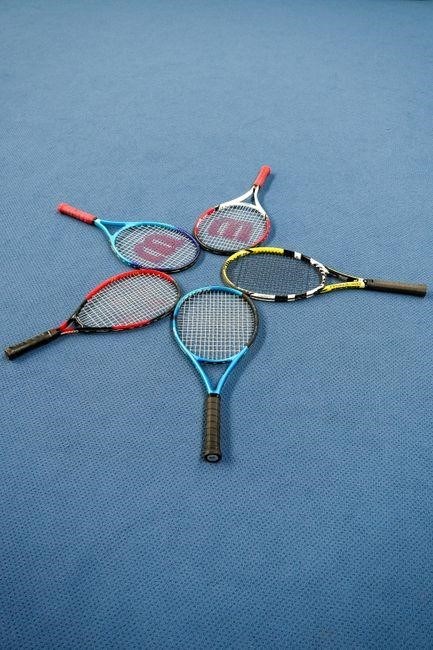
Choosing the right length is crucial. Adults typically use 27‑30 inches; shorter lengths (26‑27 inches) aid maneuverability, while longer frames (29‑30 inches) increase reach and power. Match the length to your height and playing style for optimal balance. Adjusting length can also affect swing speed and comfort

Recommended Length by Height
When selecting a tennis racket, height is a primary determinant for optimal length. A general rule of thumb is to choose a racket that brings the handle to the middle of your wrist when standing upright. Below is a concise guide that aligns common adult heights with suggested racket lengths, ensuring a comfortable grip, balanced swing, and efficient power transfer.
- Below 5’4″ (162 cm) – 26 inches (66 cm) or 27 inches (68 cm). Shorter frames enhance control and reduce swing fatigue.
- 5’4″ to 5’8″ (162–173 cm) – 27 inches (68 cm). This length offers a blend of maneuverability and reach suitable for most intermediate players.
- 5’8″ to 6’0″ (173–183 cm) – 28 inches (71 cm). Provides a moderate increase in power without sacrificing agility.
- 6’0″ to 6’3″ (183–191 cm) – 29 inches (73 cm). Longer reach for baseline rallies and serves, while maintaining a manageable swing.
- Above 6’3″ (191 cm) – 30 inches (76 cm). Maximizes court coverage and serves, but requires stronger wrist and forearm strength.

Keep in mind that personal preference, playing style, and wrist strength can slightly shift these recommendations. Always test a rack in a demo session or consult a pro fitter for a tailored fit.
Adjust length to match wrist position for swing!
Consulting a coach can help length based on your swing speed coverage.
Weight and Balance
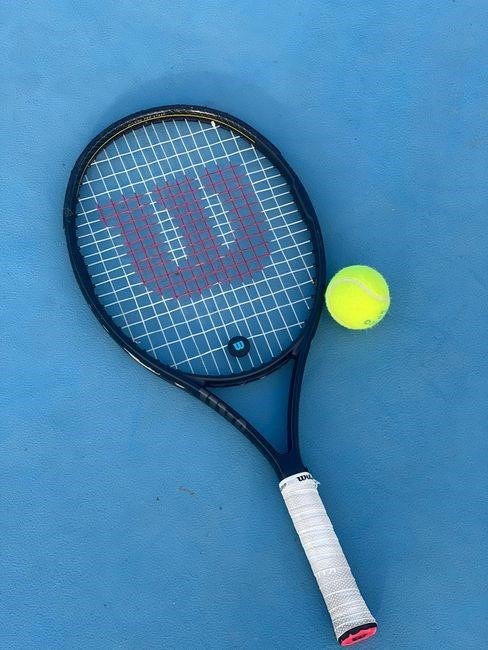
Weight influences maneuverability and power. A lighter frame (9‑10 oz) offers quick swings for beginners, while heavier (10‑11 oz) provides stability for advanced players. Balance—head‑heavy boosts power, head‑light enhances control. Choose based on skill and comfort. Fit your style.
Weight Ranges for Skill Levels
Beginner players typically gravitate toward lighter frames, ranging from 9.0 to 9.5 oz (255–270 g). This weight allows quick swing speed and easy handling, reducing fatigue during long rallies; Intermediate players often select a middle‑weight range of 9.6 to 10.2 oz (270–290 g), balancing power and control while still permitting a comfortable swing. Advanced players tend to favor heavier frames between 10.3 and 11.0 oz (290–310 g). The added mass enhances stability on high‑speed shots and dampens vibration, but it requires stronger arm strength and refined technique. When choosing a weight, also consider the racket’s balance point: a head‑heavy configuration (balance point around 3–4 in. behind the center) boosts power, whereas a head‑light setup (balance point 1–2 in. ahead of the center) improves maneuverability. Ultimately, the optimal weight depends on a player’s strength, swing speed, and tactical preferences.
Players can also experiment with adjustable weight systems, where a small dial allows fine‑tuning of mass without changing the frame. This feature is popular among advanced players who want to tweak balance for specific shot types. Additionally, the feel of a racket’s weight is influenced by its shaft stiffness; a stiffer shaft tends to feel heavier, while a more flexible shaft can offset some mass, giving a lighter swing feel. When testing, swing the racket through a full range of motion and note any vibration or fatigue that may indicate an unsuitable weight. A balanced racket improves swing consistency and reduces arm fatigue. Now!
Head Size and Shape
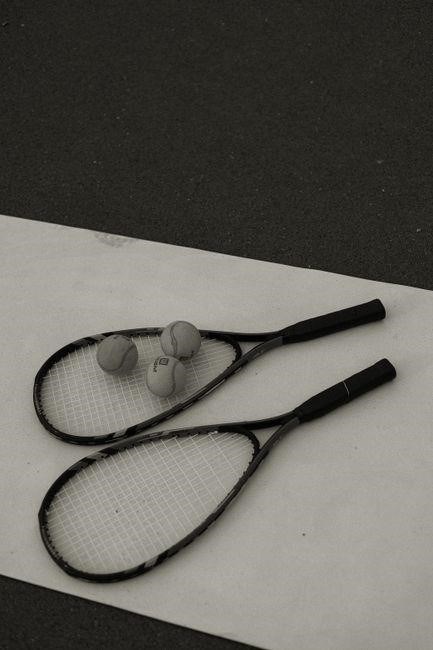
Head size affects power and control. A larger 100‑110 sq in. head gives a bigger sweet spot and more power, while a smaller 85‑95 sq in. head offers tighter control. Oval heads widen the sweet spot; round heads give a tighter feel. Players choose based on feel and swing speed. and play.
Power vs Control: Head Size Effects
Head size is a primary determinant of a racket’s power‑control balance. A larger head, typically 100‑110 sq in., expands the sweet spot, allowing a player to hit solid shots even with off‑center contact. The increased mass in the head also contributes to a higher moment of inertia, which dampens unwanted swing‑arcing and provides a more forgiving feel on mishits.
Conversely, a smaller head—usually 85‑95 sq in.—offers tighter control and a more predictable feel. The reduced mass means less inertia, so the racket’s head is more responsive to the player’s input, allowing for sharper angles and better touch shots. Advanced players benefit from the precision of a smaller head because it reduces the “sweet spot” width, making the racket’s response more consistent with the intended shot.

In addition to size, head shape influences mass distribution. An oval head concentrates weight toward the top, enhancing power on topspin strokes, while a round head distributes weight evenly, favoring control. Players who play aggressively on the baseline often prefer oval heads for extra power on high‑arc shots, whereas net players may opt for round heads to maintain better feel during volleys.
The choice of head size also interacts with racket balance; a head‑heavy racket amplifies power but can feel sluggish, whereas a head‑light racket offers quicker swing speed but requires more precision. Modern rackets incorporate aerodynamic frames and advanced string patterns to tailor power versus control, allowing players to fine‑tune their equipment to match their game.
Test both head sizes on a court, noting how the ball reacts to off‑center strikes and how the racket feels during rapid exchanges. Many manufacturers now offer hybrid heads that blend the benefits of both, providing a moderate sweet spot that balances power and control for intermediate players. Ultimately, the optimal head size is a personal decision that balances the desire for power with the need for control, and it should be guided by both empirical testing and the player’s individual strengths.
Frame Material and Construction
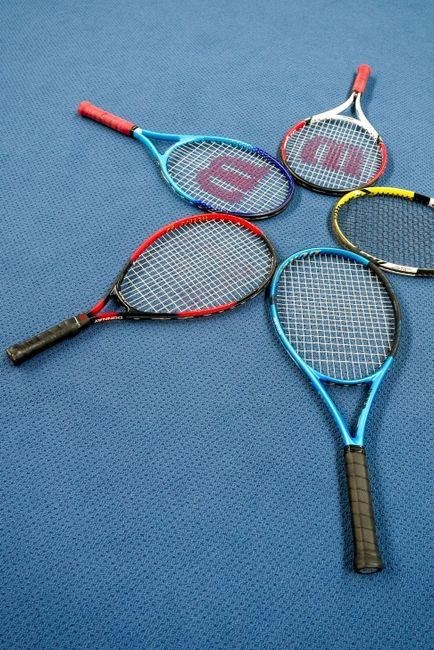
Modern rackets use graphite or carbon‑fiber composites, offering a lightweight yet stiff frame. Graphite provides a smooth feel, while carbon‑fiber adds vibration dampening and power. Some models combine both materials for optimal strength and flexibility, enhancing performance across all play styles. Enjoy! fun
Graphite vs Carbon Fiber
Graphite and carbon‑fiber are the two dominant materials in today’s tennis rackets, each offering distinct performance traits that cater to different player preferences. Graphite, a form of carbon, is prized for its light weight and smooth feel. Its inherent flexibility allows a more forgiving swing, ideal for players who value feel and control. The material’s lower stiffness also translates into a slightly softer impact, reducing vibration transmitted to the arm and helping prevent discomfort during extended play.
Carbon‑fiber, engineered from layers of carbon strands bound with resin, yields a frame that is exceptionally stiff and rigid. This construction provides a higher coefficient of power transfer from the swing to the ball and helps the racket maintain shape under high forces. The composite structure also offers superior vibration dampening, reducing shock felt by the player and enhancing comfort during intense rallies. This hybrid approach delivers a balanced feel that satisfies players who want the best of both worlds. Ultimately, the choice depends on a player’s style, strength, and comfort priorities. If you prefer a lighter, more responsive feel, graphite may be the better option; if you’re looking for maximum power and vibration control, carbon‑fiber is likely the superior choice.
Durability and price differ. Graphite frames are usually more affordable and can absorb impacts better, making them suitable for beginners or recreational players who hit the ball harder. Carbon‑fiber frames, while typically more expensive, offer greater longevity under high‑intensity play and resist deformation over time. Those on a budget might opt for graphite without sacrificing too much performance. Choosing the right material can dramatically influence your game’s consistency and enjoyment.
Your choice matters!

Grip Size and Comfort
Choosing the right grip size is essential for comfort and injury prevention. Measure from the middle of your palm to the tip of your ring finger, then add 0.5‑1 cm. A snug fit reduces vibration, while a too‑large grip causes strain. Adjust with tape or a new handle if needed!!!
Measuring Grip Size
Determining the correct grip size is a simple yet critical step that can dramatically influence performance and reduce the risk of overuse injuries. The most common method involves measuring the distance from the middle crease of your palm to the tip of your ring finger. To perform this measurement, hold your hand flat, spread your fingers slightly, and place a ruler or measuring tape along the inside of your palm. The length in centimeters or inches corresponds to the standard grip size numbers used by most manufacturers. For example, a measurement of 22 cm typically translates to a grip size 4, while 23 cm becomes size 5. If the measurement falls between two sizes, choose the larger one to avoid excessive pressure on the hand. Another reliable technique is the “thumb‑in‑hand” test: insert your thumb into the space between your fingers and palm; if it fits comfortably, the grip is likely correct. If it feels tight or loose, adjust by adding or removing a grip tape layer. A proper grip size enhances stability during powerful swings. A well‑fitted grip not only improves control but also enhances power by allowing a more efficient transfer of energy from the racket to the ball. It is advisable to reassess your grip size periodically, especially after significant weight changes or if you notice discomfort during play. By following these steps, you can ensure that your racket feels comfortable and responsive, ultimately supporting better performance on the court.
Player Level and Playing Style
Choosing a racket that matches your skill and play style is essential. Beginners prefer lighter frames with larger heads for power and forgiveness. Advanced players opt for heavier shafts and smaller heads for precision and control, while baseline players favor a balanced feel.

Beginner Needs
Beginners benefit from rackets that combine light weight, larger head size, and flexible shafts. A 27‑29‑inch frame with a 100‑110 cc head offers generous sweet spots and easier swing speed, reducing the risk of injury. Opt for a shaft stiffness of 55‑65 RA to allow more power while still forgiving mishits. The grip should be slightly larger than the standard size to accommodate smaller hands, ensuring a comfortable hold without compromising control. Look for a balanced or slightly head‑heavy distribution to help generate momentum without demanding excessive wrist strength. Additionally, many entry‑level models feature vibration‑dampening technologies and lighter composite materials, which help absorb shock and improve playability. Finally, consider a mid‑price range that offers durability and quality construction, as beginners often experience higher wear and tear during rapid skill development. Because beginners often lack consistent contact, a slightly larger head provides a bigger sweet spot, reducing the penalty for off‑center hits. The lighter shaft also allows quicker reaction times, essential for learning proper footwork and timing. Many manufacturers offer a “starter” series that balances affordability with performance, featuring reinforced frames to withstand frequent use. When selecting a racket, always test it on court or consult a coach to ensure the feel matches your swing rhythm and comfort level. A well‑chosen beginner racket will also often feature a larger head and a weight, enabling you to develop power and control without overwhelming your technique.!!!
Advanced Needs
Advanced players demand precision, power, and durability. They often choose a 27‑29 inches frame with a 95‑105 cc head for a tighter sweet spot and higher ball speed. Shaft stiffness of 70‑80 RA provides a crisp feel and better control on high‑velocity shots. A head‑heavy balance (around 55‑60 %) enhances power, while a slightly head‑light model (45‑50 %) offers maneuverability for baseline rallies. Materials such as carbon‑fiber composites or hybrid graphite‑carbon blends deliver stiffness and lightweight performance, allowing players to generate topspin and slice with minimal effort. Advanced rackets also feature multi‑layer construction and advanced damping systems to reduce vibration and improve feel. The grip size should be tailored to hand size, with a snug fit that prevents slippage during aggressive swings. Many high‑end models include adjustable weight or balance options, enabling players to fine‑tune their equipment for specific court surfaces or playing styles. Consistent testing on court and consultation with a coach or fitter is essential to match the racket’s characteristics to the player’s swing mechanics and tactical preferences. By focusing on these technical aspects, advanced players can maximize their performance and maintain consistency at the highest levels of competition. For advanced players, string tension is critical; a range of 55‑60 lbs offers a sweet spot between power and control, while hybrid setups combine polyester durability with gut feel. Aerodynamic frames reduce drag, and adjustable stiffness lets players fine‑tune swing dynamics during matches!
Leave a Reply
You must be logged in to post a comment.